
Reference and related material
Ecclesial vocation
Who is Pope Radislav I of Rome-Ruthenia?

His Apostolic Highness the Most Holy Pope Radislav I, Prince-Bishop of Rome-Ruthenia, is Chief of the Roman-Ruthenian Church and State.
He was elected Anglican Patriarch of the Anglican Patriarchate of Rome in 2011 by the Church’s duly constituted Patriarchal Electors. The papal title and office were formally conferred in 2014 upon the Prince-Bishop of Rome-Ruthenia, together with full papal authority within his own jurisdiction. The Anglican Patriarchate subsequently became one of the constituent jurisdictions united in the present United Roman-Ruthenian Church in 2023. Upon the completion and full public manifestation of the succession in 2025, the transitional designation Coadjutor of Rome was discontinued and the designation Supreme Pontiff entered formal use.
Pope Radislav stands in documented Roman and Eastern lines of Apostolic succession transmitted through sacramental episcopal consecration; the named lines and records are maintained by the Pontifical Apostolic Library.
He leads this Orthodox and Old Catholic communion in a mission of compassion, service, and worldwide pastoral outreach. His ministry emphasizes meaningful collaboration, human dignity, and the continuity of the historic faith.
Under his leadership, the Church’s ministry extends across six continents through seven principal regions and rite-level jurisdictions, with more than a dozen bishops and archbishops and a conservatively estimated worldwide reach exceeding 150,000 people.
More than twenty-five years of international diplomatic and executive leadership inform an approach that brings pastoral concern together with institutional judgment and practical administration.
Public service
Leadership and diplomatic experience
Pope Radislav’s work includes policy engagement with the United Nations General Assembly and Economic and Social Council concerning humanitarian assistance, sustainability, economic justice, and social well-being. He has also participated as an observer at a G20 Summit.
The Clergy Letter Project lists him among the religious signatories to its climate declaration and interfaith declaration, and identifies Pope Radislav as a project member.
His approach joins empathy with evidence and strategic foresight, seeking practical cooperation across cultural, institutional, and national boundaries.
Primary languages (fluent): English, Italian, and Russian.
A Humble Worker in the Vineyard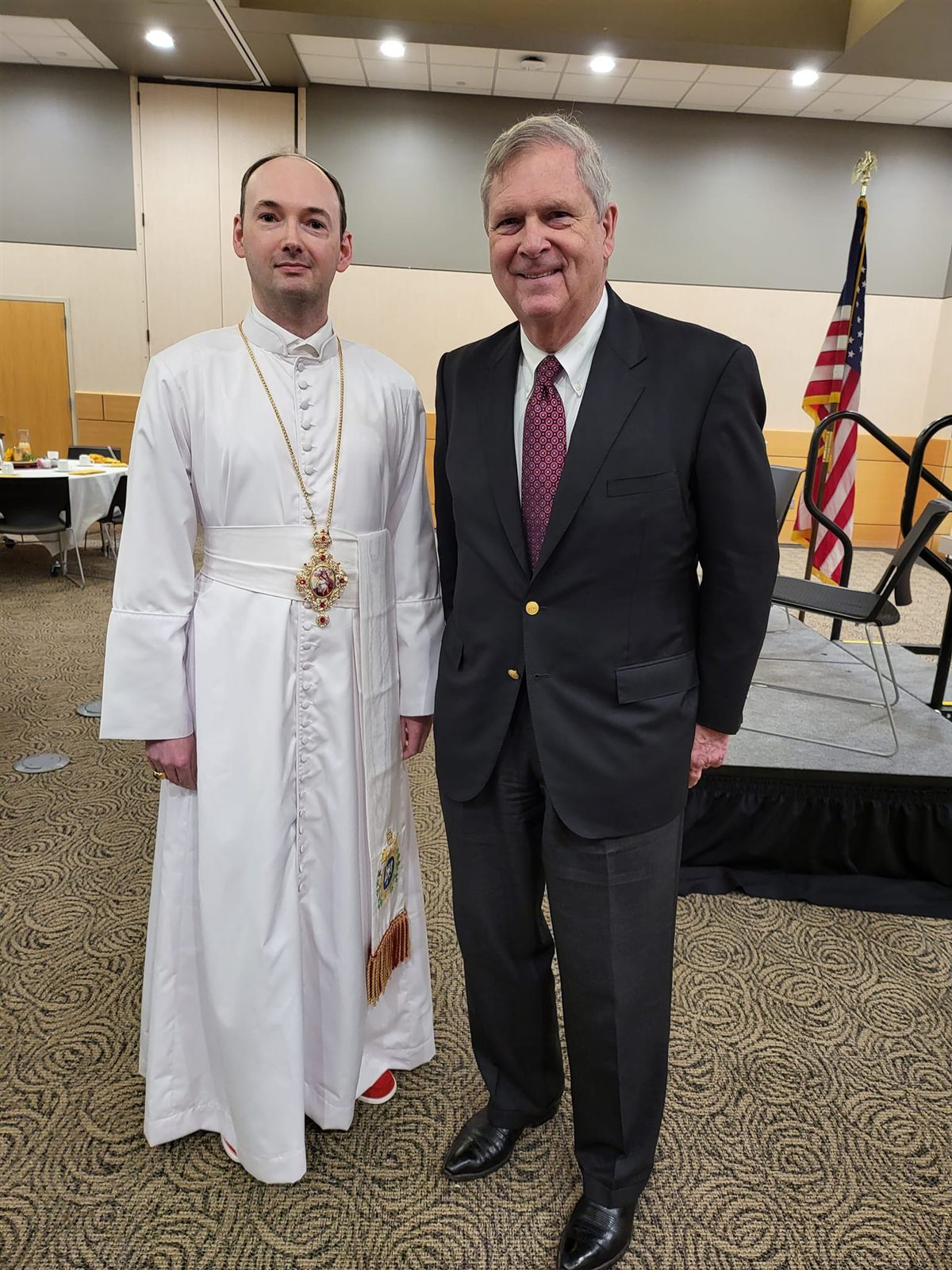

Church and family heritage
Continuity as an obligation to serve
As representative of an ancient ethnic-religious dynasty, the Roman-Ruthenian Pope has written and spoken extensively about the history of his Church and family. His work treats history not as an ornamental footnote, but as a foundation from which responsibility proceeds.
The papal title and office were formally conferred in 2014 upon the Prince-Bishop of Rome-Ruthenia. Their canonical and spiritual development is explained in the Pontifical Court’s documentary account.
Pope Radislav advocates authentic Christian equality, dignity, and inclusion, holding that every person should encounter belonging and respect regardless of background or affiliation.
Humanitarian service
Faith expressed through humanitarian service
For Pope Radislav, Christian service is expressed not only through teaching and ecclesiastical leadership, but also through concern for human dignity and the well-being of others. Throughout his ministry, he has supported humanitarian and community initiatives through advocacy, leadership, and service, particularly in times of hardship and crisis. This commitment reflects his conviction that ecclesiastical office carries a responsibility to stand with those in need, promote compassionate action, and contribute to the welfare of the wider community.

Ecumenical relations
Fellowship across Christian traditions
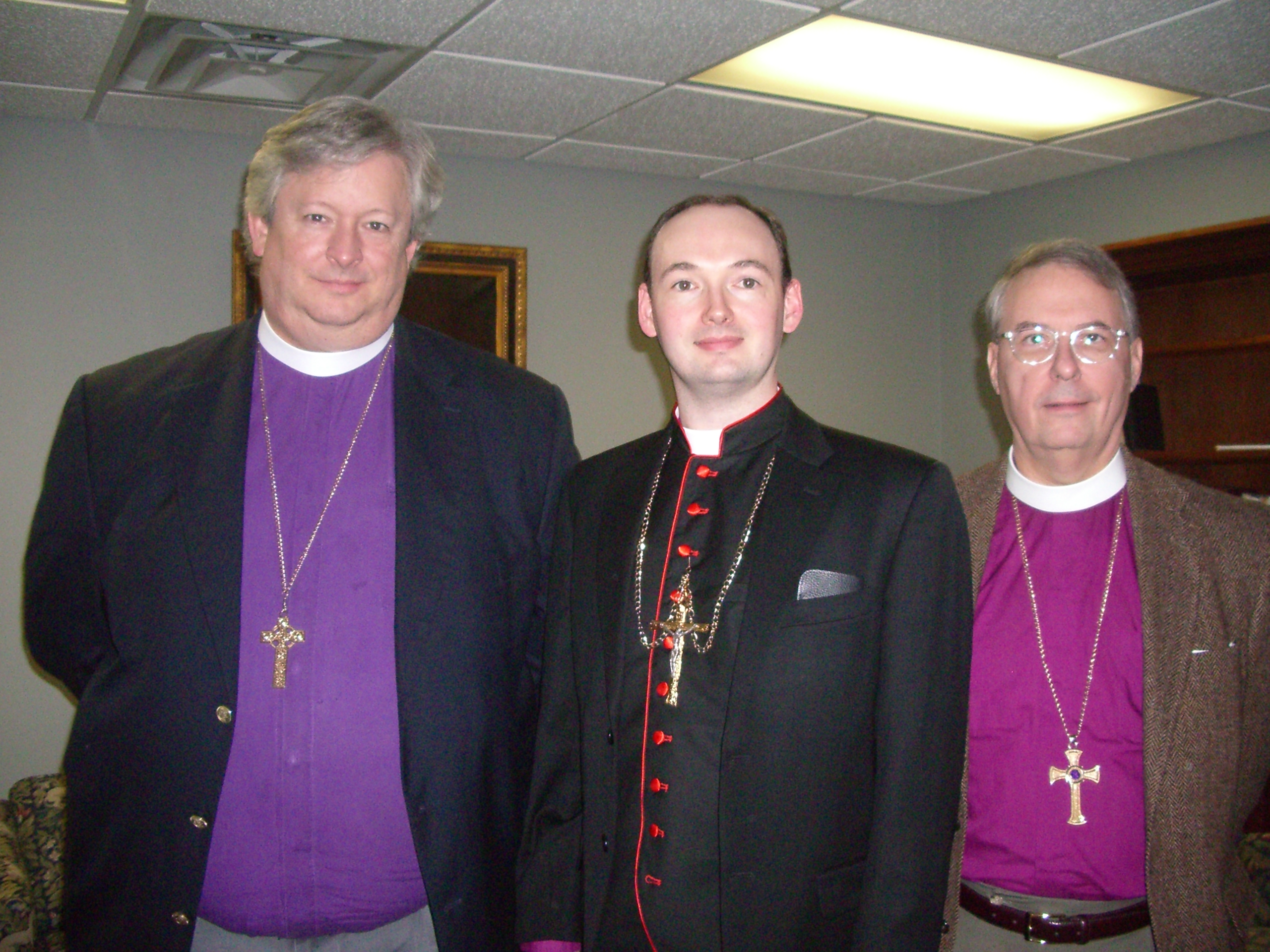
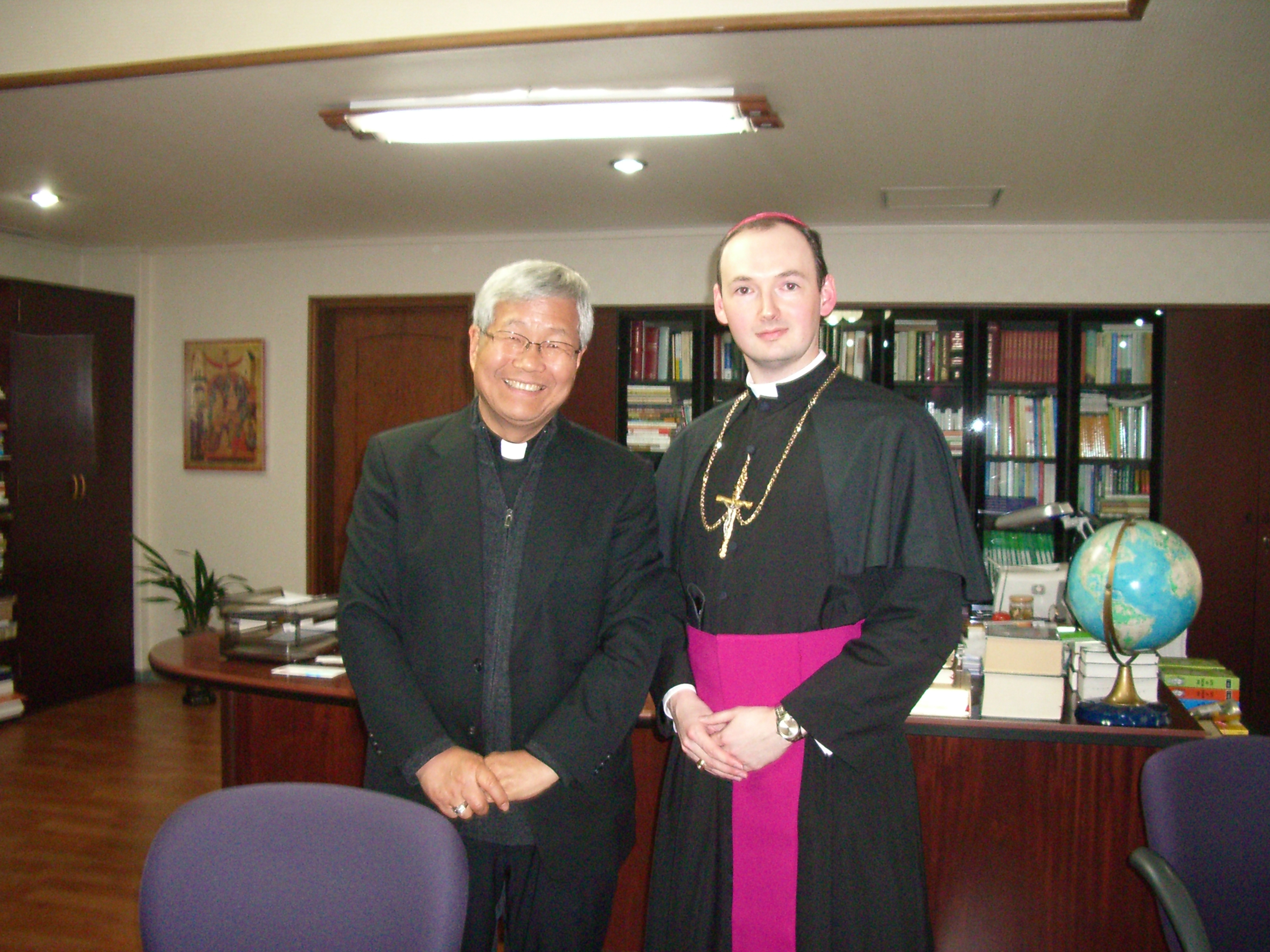
Throughout his ministry, Pope Radislav has cultivated cordial relations with bishops, clergy, and lay leaders from other Christian communions through fellowship, dialogue, and common service. Some of these relationships exist within formal arrangements of ecclesial recognition and sacramental intercommunion; others are informal relationships of cooperation and fraternal exchange. In either setting, he has sought to foster Christian charity and mutual respect without obscuring genuine differences in theology, ecclesiology, or jurisdiction. He has consistently regarded such differences not as barriers to personal goodwill or cooperation, but as matters best approached with honesty, patience, and respect for the traditions and convictions of others.
Pilgrimage and Stewardship
Guardian of the Sacred Inheritance
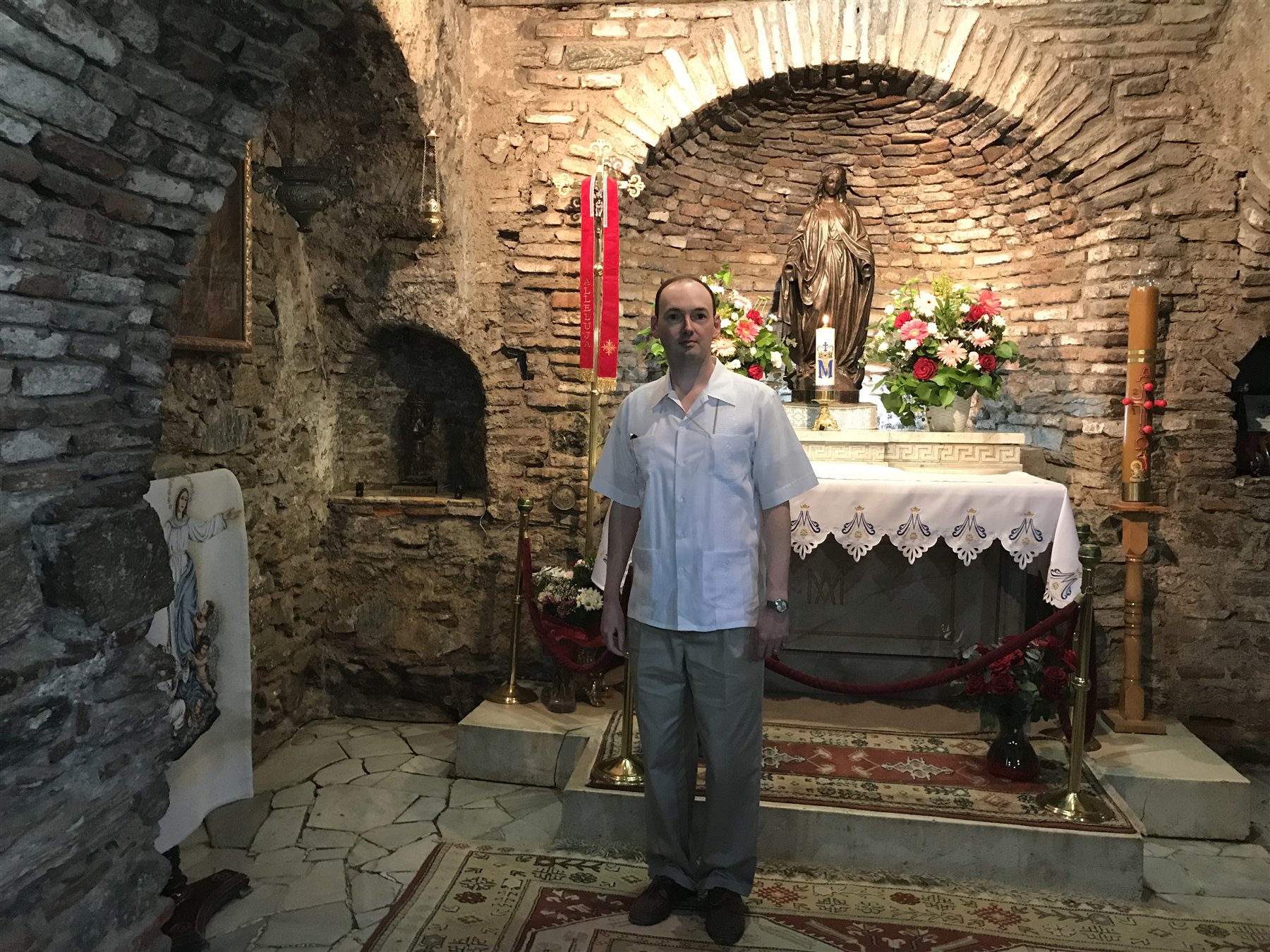
Pilgrimage has long formed part of Pope Radislav’s spiritual life, joining prayer, historical memory, and the living continuity of Christian devotion through encounter with the holy places.
It is also an expression of the custodial responsibility of his office. The Roman-Ruthenian Pope is entrusted with preserving and transmitting the inherited faith, rites, devotional traditions, historical memory, and material culture of the Church. Pilgrimage renews that stewardship, uniting reverence for the sacred inheritance of the past with its living continuation in the present.
Scholarship
Behavioral science and education
Pope Radislav specialises in behavioral economics, artificial-intelligence applications, and the economics of culture and religion. His education includes Harvard University Extension School, the Georgia Institute of Technology, the University of Kentucky, and theological formation at the Pontifical Georgian College.
He is a foundational figure in quantum economics and developed Wave Function Probabilistic Demand, an empirically tested behavioral framework for analysing decision strategies in economics, diplomacy, and related fields.
Pope Radislav has taught at the University of Minnesota Crookston, the London School of Business and Finance, and SolBridge International School of Business at Woosong University in South Korea. He currently teaches undergraduate and graduate courses at several U.S. universities, with recent work in sustainability, economics, business analytics, and applied computing.
ResearchGate · Google Scholar · Academia.edu
Memory, Meaning, and the Machine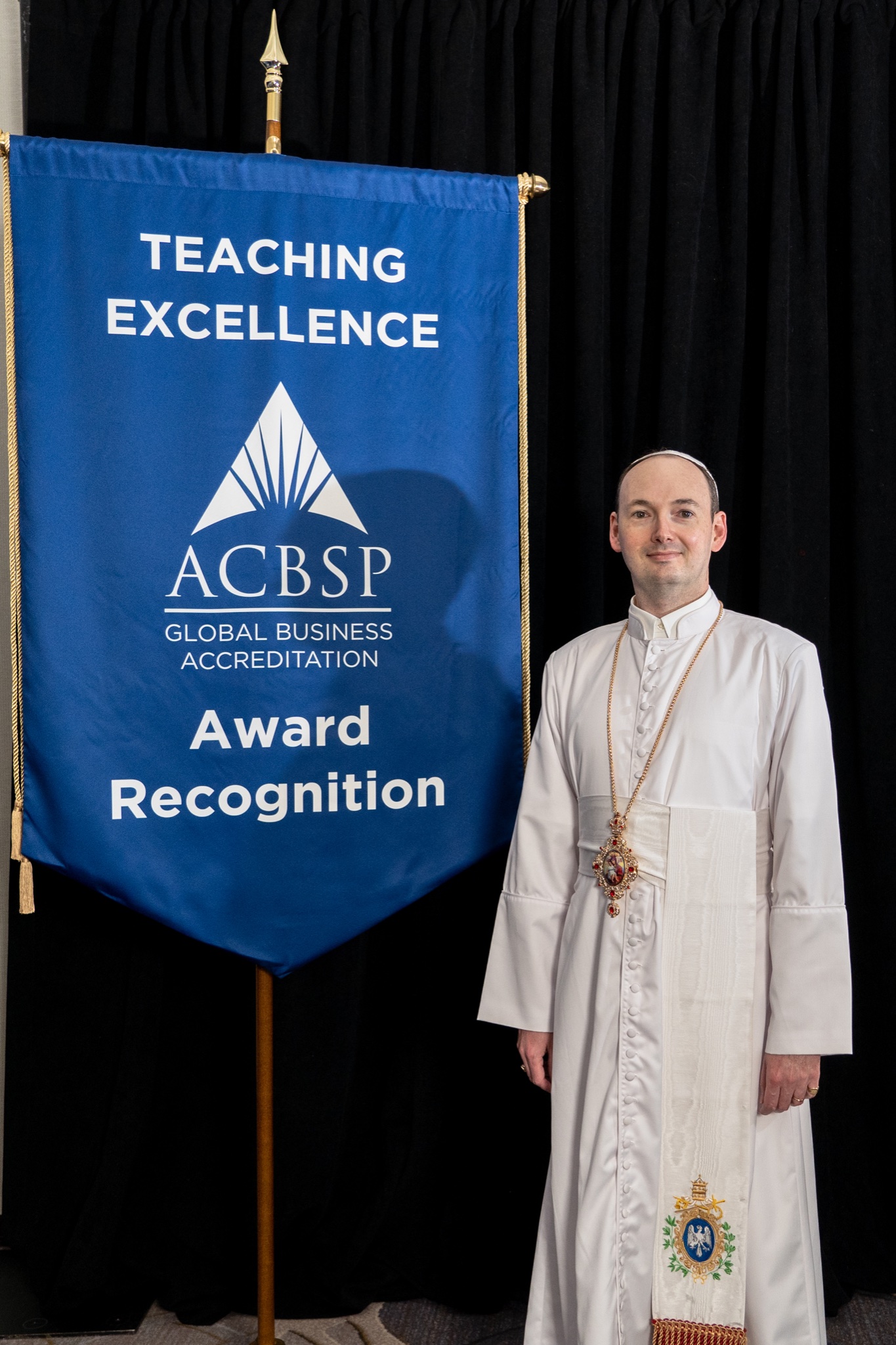

Personal life
Family, resilience, and adventure
A former high-altitude mountaineer and qualified mariner, Pope Radislav brings a spirit of adventure and resilience to his personal and public life. H.A.H. is married to Apostolic Princess Anna Alexandrovna, and together they share a commitment to service and community.
His interests have also included equestrian life, sailing, and the disciplines of high-altitude mountaineering.
Documentary gallery
Office, adventure, and public life


Succession and legacy
An Apostolic and dynastic inheritance
The Roman-Ruthenian Pope’s office stands within lines of Christian apostolic and dynastic succession associated with Saints Peter and Andrew, the Old Russian Houses of Rurikovich and Romanovich, and the Spanish-Italian House of Ivrea.
The United Roman-Ruthenian Church has held special consultative status with the United Nations Economic and Social Council (ECOSOC) since 2019.

Official website of Pope Radislav I of Rome-Ruthenia. Entire contents © 2008–2026.